MONROE, CT — Late fees for unpaid motor vehicle taxes can pile up in a hurry and, aside from not being allowed to register a car until you’re caught up, if you sold or junked your car during a tax year and over 27 months passed, the assessor can’t adjust your tax bill, so you’re taxed as if you had it the entire time.
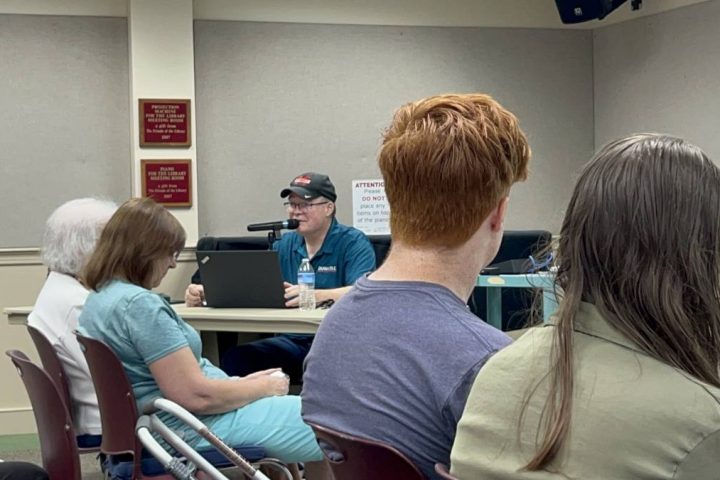
Tax Collector Deborah Heim said all of this has led to angry phone calls to her office at Monroe Town Hall. During one heated call, a man allegedly threatened to sic his dogs on a town employee.
“We’re here to help people,” Heim said. “We want to make sure they are paying for what they owe, not more than what they owe.”
Changes to state laws have made things more complicated. For example, rather than having to register your car every year, it’s every three years.
“Some people decide to pay when they re-register their car,” Heim said.
Because too many people were doing that, Heim said tax bills that are a year late automatically go into collections. There are also steep penalties set by the state, including 18 percent interest for being one year late, and two years late is 36 percent interest on top of that.
“The reason it goes into collections the first year is because people were waiting three years and it was hurting the collection rate,” Heim explained. “We were desperate to keep the collection rate high, so people don’t have to pay more taxes, and a high collection rate keeps the bond rating up.”
A higher bond rating allows the town to borrow money at lower interest rates.
Heim said those who owe motor vehicle taxes cannot renew their registration or register a new car at the Connecticut Department of Motor Vehicles until it’s paid off. Those whose vehicles are not registered also cannot get a park sticker for Wolfe Park, she added.
A month ago, Heim said she was concerned over unpaid motor vehicle tax bills in town, but lately she said the courts are telling her people have been paying what they owe.
Always record
Though the state allows people to renew the registration of their vehicles every three years, town assessors only have a 27 month window to adjust the grand list for the Oct. 1 assessment.
If, for example, residents sell their cars with six months left in the tax year and it’s not recorded with the assessor within 27 months, that means they have to pay for the entire year because the assessor is no longer allowed to adjust the bill.
“Ultimately, we want to help people avoid this,” Monroe Assessor Justin Feldman said. “It’s tough when people come in after the statutory deadline and we can’t help them.”
Recording a sale, trade in or junking of your vehicle with the town assessor’s office in a timely manner can avoid a lot of heartache, according to Feldman.
“If you’ve gotten rid of your car, please keep a copy of whatever happened to the vehicle — typically a bill of sale, a trade in agreement, a junk receipt or total loss documentation from your insurance company,” he said.
“And the plate cancelation from the Connecticut Department of Motor Vehicles,” Heim added. “If they can provide both documents to the assessor right away, he can adjust the assessment, which affects the tax bill.”
“Ultimately, we have to treat people the same,” Feldman said. “We have to follow the state statutes and be consistent. It’s pretty black and white.”
Other state changes
Feldman and Heim shared other changes Connecticut made to its tax code that are impacting property taxpayers.
“In the past, all our assessments were based on clean retail value from J.D. Power and Associates,” Feldman said of motor vehicle assessments. “That changed. Now it’s the original MSRP (manufacturer suggested retail price) with a 20 year depreciation schedule, from 85 to 15 percent, and you can’t be below $500.”
Due to this change, Feldman said the motor vehicle grand list is lower this year — down by roughly 13 percent.
“That puts more of the burden on residential property taxes,” Heim said. “We had the reval plus the motor vehicle change, which hit us at the same time.”
Another change Connecticut made is that veterans with a 100 percent service-connected permanent and total disability rating from the U.S. Department of Veterans Affairs are eligible for a full property tax exemption on their primary residence.
In Monroe, Feldman said this affected 16 real estate properties and one motor vehicle. “Anytime a property is exempted, others have to pick it up,” he said of the rest of the town’s taxpayers making up the difference.
“It’s another unfunded mandate,” Heim said.
All respectful comments with the commenter’s first and last name are welcome.